Updated on: June 17, 2026
Reading Time: 20 minutes
Post Views: 1,203
Shopify powers thousands of eCommerce brands with its speed, flexibility, and endless customization options. But you might wonder what brands use Shopify? Or more specifically, who uses Shopify among the biggest names online?
If these questions sound familiar, this blog is for you. We’ll walk you through 52 well-known brands using Shopify, the specific challenges they faced, and the real results they achieved after making the switch.
With a significant share of the eCommerce platform market, Shopify has become a trusted choice for entrepreneurs and global brands alike. Its user-friendly interface, design flexibility, and strong support make it a complete solution for online stores of all sizes.
Are you wondering:
Is Shopify right for me? Can my website succeed with Shopify? Which big brands trust Shopify?
We’re here to help clear up the confusion. As an experienced Shopify development company, we hear these questions all the time. That’s why we’ve compiled this list of top Shopify-powered websites and shared why these successful brands choose the platform, with the actual numbers behind each story.
Quick Answer: Big Brands Using Shopify
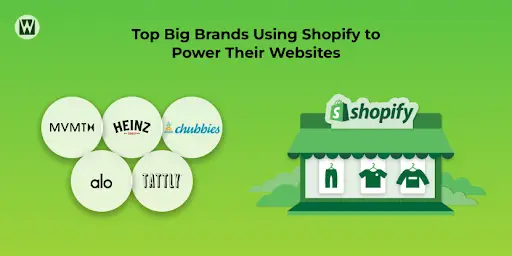
Major brands using Shopify include Gymshark, SKIMS, Fashion Nova, Kylie Cosmetics, Allbirds, Heinz, Bombas, Mattel, and Crocs. Most run on Shopify Plus, the platform’s enterprise tier, choosen mainly to survive high-traffic moments like product drops and Black Friday, launch new stores quickly, and scale internationally without managing their own servers.
- Gymshark – $500m+ revenue, moved to Plus after a Black Friday outage on its old platform
- SKIMS – $5bn valuation, built on Shopify Plus from day one
- Fashion Nova – 100 million orders processed on Shopify
- Kylie Cosmetics handled 200,000+ concurrent visitors during a single launch
- Heinz launched its first DTC store in about three weeks on Shopify Plus
Why Big Brands Use Shopify (Real Reason)
Shopify has firmly established itself as a leader in the eCommerce space. Brands that use Shopify range from ambitious startups to some of the biggest names in retail, and most of them moved there for very specific, very practical reasons rather than just liking the dashboard.
Source: Kinsta
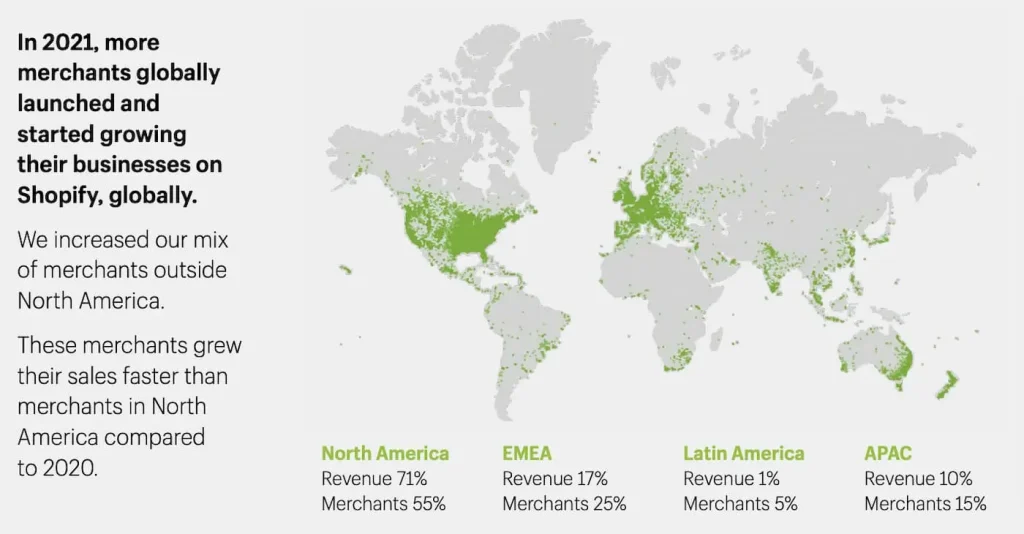
As of recent reports, Shopify powers well over a million businesses globally. Many established companies migrate their existing websites to Shopify after their previous platform let them down at the worst possible moment, usually during a major sale, a viral launch, or a holiday traffic spike. This migration is almost always driven by a need for better performance, easier scaling, and a more manageable system that doesn’t require a full engineering team just to stay online.
What makes Shopify stand out as the preferred choice for so many brands? A few things in particular:
User-Friendly Interface: Shopify’s intuitive design allows anyone, regardless of technical skill, to set up and manage their online store with ease.
Scalability: Shopify grows with your business, handling traffic surges and sales spikes, even those that hit 200,000 concurrent visitors, without buckling.
Extensive App Ecosystem: Thousands of third-party apps and integrations let businesses customize their stores for subscriptions, loyalty programs, personalisation, and more.
Robust Security Features: Built-in SSL certification and PCI compliance keep merchants and customers confident during every transaction.
24/7 Customer Support: Round-the-clock support means businesses get help whenever issues come up, no matter the time zone.
Whether it’s the easy-to-navigate dashboard or the flexibility to build a fully custom storefront experience, Shopify empowers brands of every size to create an online presence that matches their ambitions.
Wondering how much it costs to build a Shopify store?
Get a detailed breakdown in our Shopify website development cost guide.
52 Big Brands Using Shopify (and Shopify Plus)
1. Gymshark
Starting as a small fitness apparel brand run out of a garage in Solihull, Gymshark has grown into a global powerhouse with annual revenue above $500 million and customers across 131 countries and credit goes in large part to its move to Shopify Plus. The brand’s earlier platform, Magento, suffered an eight-hour Black Friday outage that cost an estimated £100,000 in lost sales, which pushed the team to switch.
The payoff was immediate: peak-period revenue jumped 197% after the move. Gymshark effectively engages its community through social media and influencer partnerships, and its headless storefront on Plus holds up even during its busiest Black Friday traffic.
2. SKIMS
SKIMS is Kim Kardashian’s globally recognized shapewear and loungewear brand, built on Shopify Plus from the very first launch in 2019. Built on inclusive sizing from XXS to 5X and a minimalist design language, SKIMS has become a powerful example of how a DTC brand can scale into omnichannel without ever needing to re-platform.
The brand reached a $4 billion valuation in 2023 and raised $225 million at a $5 billion valuation in late 2025, with net sales projected to pass $1 billion for the year. Its clean layouts, smart bundling, and seamless mobile checkout keep that growth converting drop after drop.
3. Fashion Nova
Fashion Nova is an affordable, social-first fashion brand that has run on Shopify since 2014, building demand almost entirely through Instagram and a network of influencer partnerships. Founded by Richard Saghian, the brand reports annual sales in the region of $1 billion and reached a landmark 100 million orders on the platform in 2025, a milestone Shopify’s own leadership publicly recognised.
Fashion Nova is known for launching hundreds of new styles every week, and its Shopify storefront gives it the reliability to push constant drops to a mobile-first audience without the site buckling under the traffic that follows a viral post.
4. Kylie Cosmetics
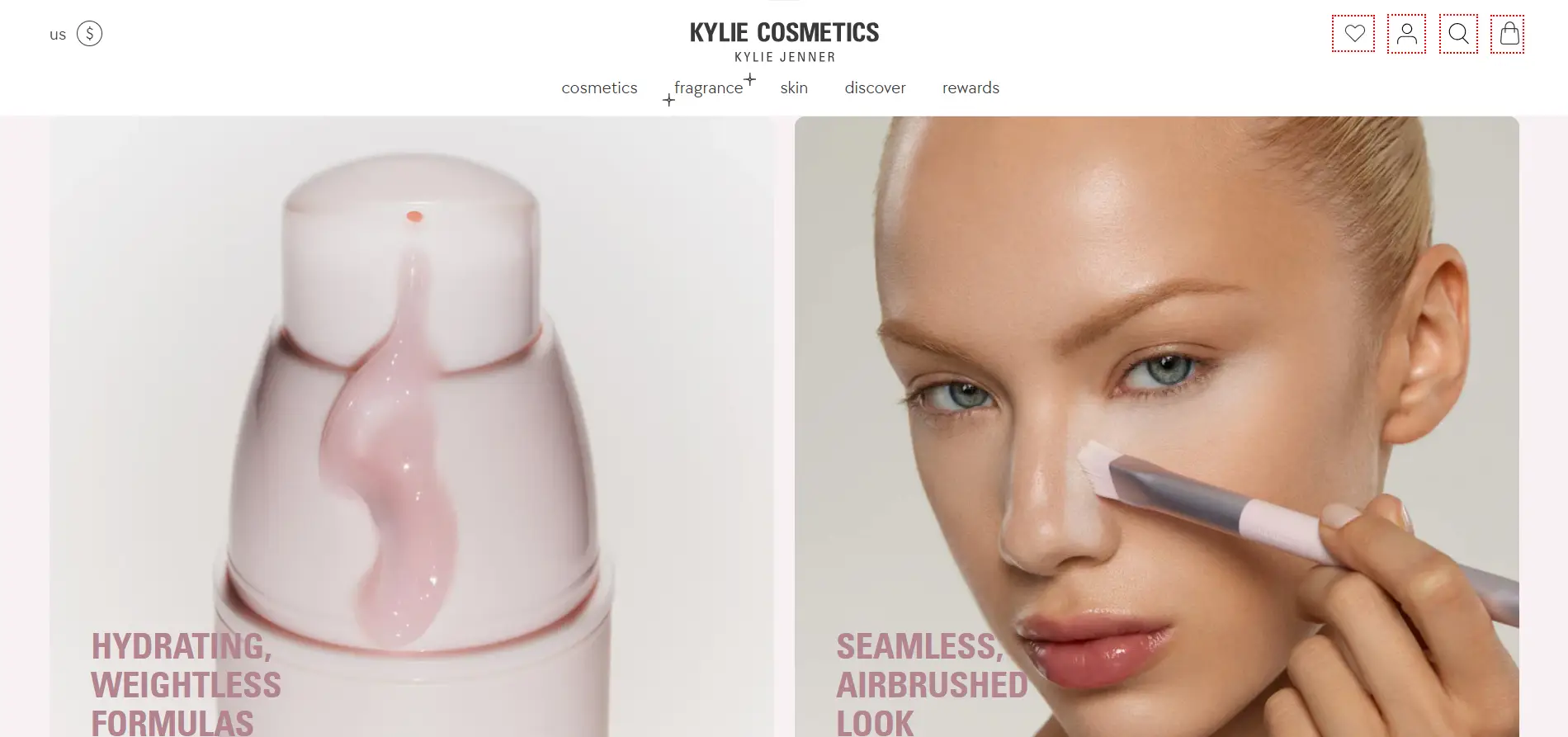
Founded by Kylie Jenner, Kylie Cosmetics uses Shopify to deliver a seamless experience to its global fan base. The site showcases vibrant product photography and modern features that make it easy for beauty enthusiasts to browse and order their favorite products.
The brand’s defining moment came in August 2016, when a single product launch drew more than 200,000 concurrent visitors, one of the largest simultaneous launches in eCommerce history at the time and Shopify Plus handled it without the checkout collapsing. That reliability under pressure helped Kylie Cosmetics build a $1.2 billion valuation on a drop-and-scarcity sales model.
5. Allbirds
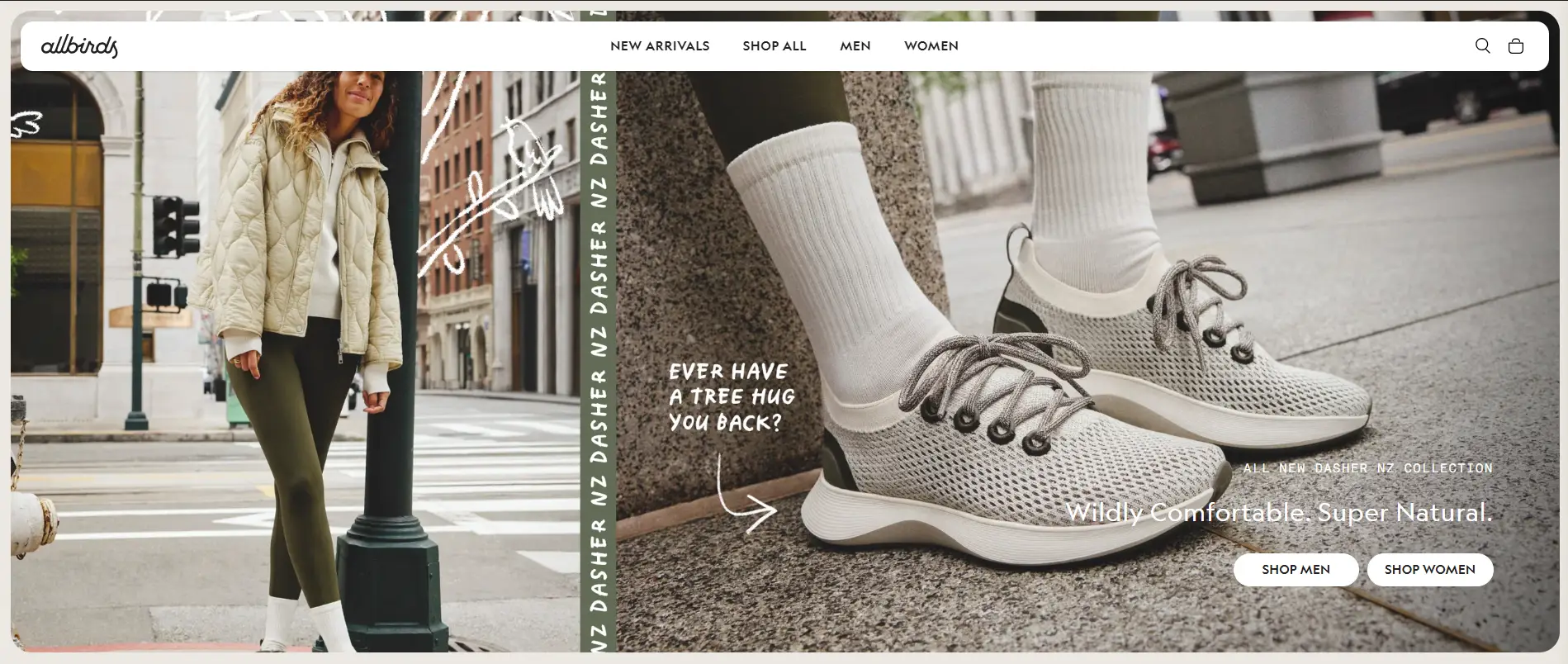
Allbirds has built its name around eco-friendly footwear made from natural materials, and its Shopify store reflects that commitment to sustainability at every touchpoint, including per-product carbon footprint labels built directly into the shopping experience. The brand went public on NASDAQ in 2021 and used Shopify to scale its direct-to-consumer business quickly across both online and retail.
Like any growing brand, Allbirds has had its ups and downs commercially in recent years, but its Shopify storefront has remained a consistent strength, a design-forward, honest shopping experience that keeps its environmentally conscious audience engaged.
6. Heinz
The iconic food company Heinz made a smart move into eCommerce when pandemic lockdowns disrupted normal grocery distribution in 2020. The 150-year-old brand built and launched its first-ever direct-to-consumer store, Heinz To Home, in roughly three weeks on Shopify, selling bundles of pantry staples directly to shoppers who couldn’t easily reach stores.
The launch drew more than 80 million impressions in its first week and later expanded across six countries. Their engaging content and easy access to recipes have helped Heinz transform its brand presence online, proving that even a legacy manufacturer can move fast when the platform lets it.
7. Bombas
Bombas is a mission-driven sock and apparel brand that donates a pair for every pair sold, and its Shopify story starts with a very public stumble. After landing a deal on Shark Tank, its Magento store crashed under the surge of attention twice.
Bombas migrated to Shopify Plus, and the difference was immediate, reporting $17.2 million in sales in its first full year after replatforming, 300% year-on-year growth, and around $108,000 saved annually in platform costs. Whether the brand is doing 500 or 5,000 orders a day, the storefront now scales without anyone on the team needing to intervene.
8. Red Bull
Red Bull runs a Shopify-powered storefront for its branded merchandise and lifestyle products, kept separate from its core drinks distribution. For a brand built on content, sports, and global events, the store gives its worldwide fan base a direct, on-brand place to buy gear tied to its sponsorships and campaigns.
It’s a great example of a large brand using Shopify as a flexible merchandising layer that sits comfortably alongside the main business, spinning up new branded drops quickly without needing a custom build every time.
9. Lindt
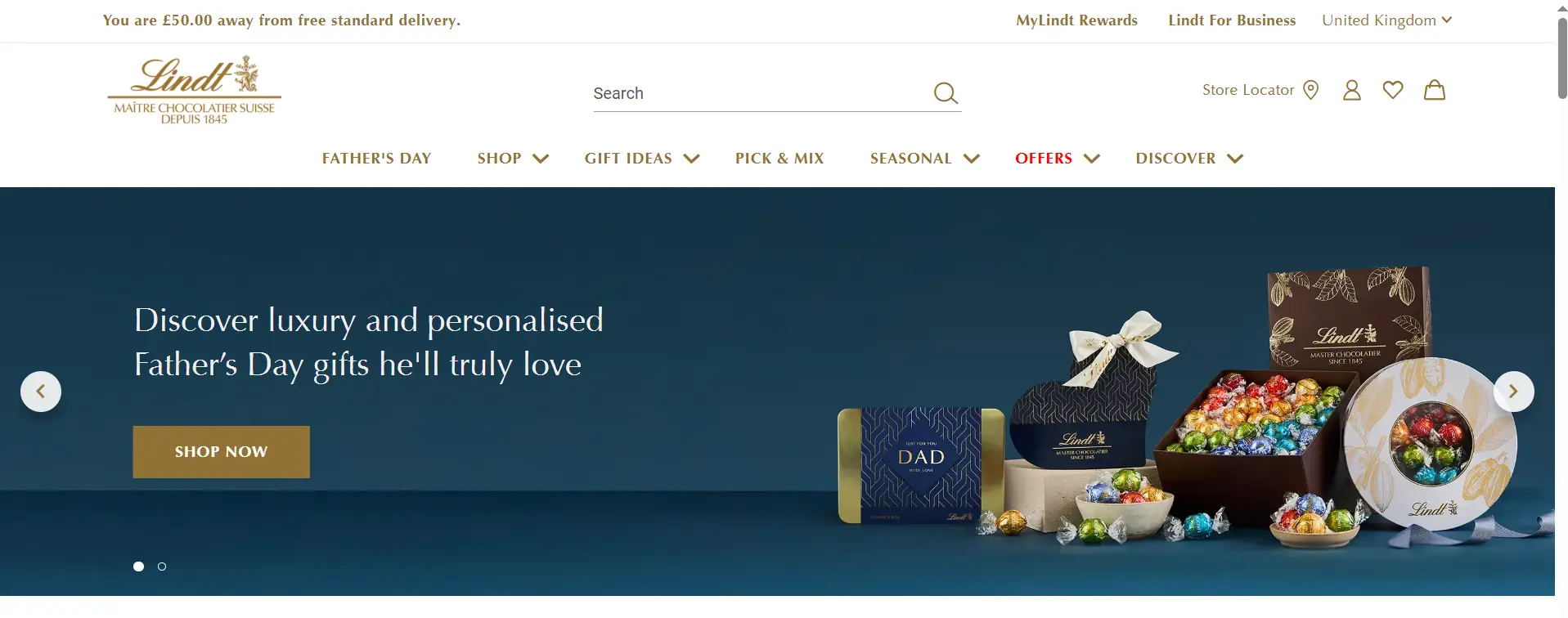
Lindt, the premium chocolate maker behind one of the world’s best-known confectionery names, turned to Shopify when COVID-19 closed physical stores in 2020. Lindt Canada is the standout case, setting up an online store in under a week to keep selling while shops were shut.
It’s a great example of an established brand using Shopify for speed during a sudden shift in how customers needed to shop, launching a fast, fully functional regional store without a long, drawn-out enterprise build getting in the way.
10. JB Hi-Fi
JB Hi-Fi, one of Australia’s largest consumer-electronics retailers, moved to Shopify Plus after its previous platform struggled during a peak Black Friday period. The switch lets it handle roughly double the traffic with noticeably faster page loads.
For a high-volume electronics retailer managing a large, complex catalogue, it’s a strong example of Plus delivering the kind of peak-period reliability that a custom platform simply couldn’t provide when it mattered most.
11. Decathlon
Decathlon is the world’s largest sporting-goods retailer, with well over a thousand stores globally, and it uses Shopify Plus for online storefronts in a number of its markets. For a retailer of its size, Plus isn’t about replacing every core system; it’s about spinning up fast, well-designed regional stores and testing new ideas without committing to a heavy custom build in every territory. Even a retail giant like Decathlon finds real value in using Shopify selectively, as a fast and agile layer for specific markets.
12. Crate & Barrel (Singapore)
Crate & Barrel’s Singapore operation runs on Shopify Plus, and the move has been credited with a striking jump in loyalty sign-ups around 350%. It’s a great example of an established home-and-furniture retailer using Plus to launch a modern storefront and working loyalty mechanics quickly in a specific regional market, rather than trying to extend a global legacy system into every territory it operates in.
13. Cluse
Cluse is a Dutch watch and accessories brand that moved from Magento to Shopify Plus to make running its international business easier. Like several brands on this list, the migration was about shedding the cost and complexity of a heavier platform in favour of one that handles multi-market selling, multiple currencies, and multiple languages right out of the box. It’s a clean, smaller-scale example of the same pattern that shows up again and again among brands selling across borders.
14. BBC Merch
BBC Studios runs branded merchandise stores on Shopify Plus, having migrated from Magento, with operations spanning the UK and North America. For a large media organisation, the appeal is letting Shopify handle the commerce infrastructure, multi-region storefronts, catalogue, and checkout so internal teams can stay focused on the shows and brands the merchandise supports. It’s a clear example of media and entertainment running its retail side on Shopify rather than building something bespoke from scratch.
15. Oatly
Oatly, the Swedish oat-milk brand known for its irreverent branding, runs its direct-to-consumer business on Shopify. In the US, it built a subscription model that lets customers set up recurring oat-milk deliveries, an unusual subscription category the brand made work through a dedicated subscription experience and a clean, on-brand storefront.
For Oatly, the DTC channel is less about replacing grocery distribution and more about owning a direct relationship with its most loyal customers, with Shopify providing the flexible storefront and subscription mechanics to support exactly that.
16. DJI
DJI, the world’s leading maker of consumer and professional drones, gimbals, and cameras, runs its store on Shopify Plus. The interesting part is the catalogue: DJI sells technically complex hardware across consumer, creator, and enterprise lines, with major product launches that spike traffic sharply.
Plus lets it manage that large, multi-category catalogue and a global storefront while keeping checkout fast during launch surges, proof that Shopify Plus isn’t only built for apparel and beauty, but handles complex, high-consideration hardware at global scale too.
17. Cutler and Gross
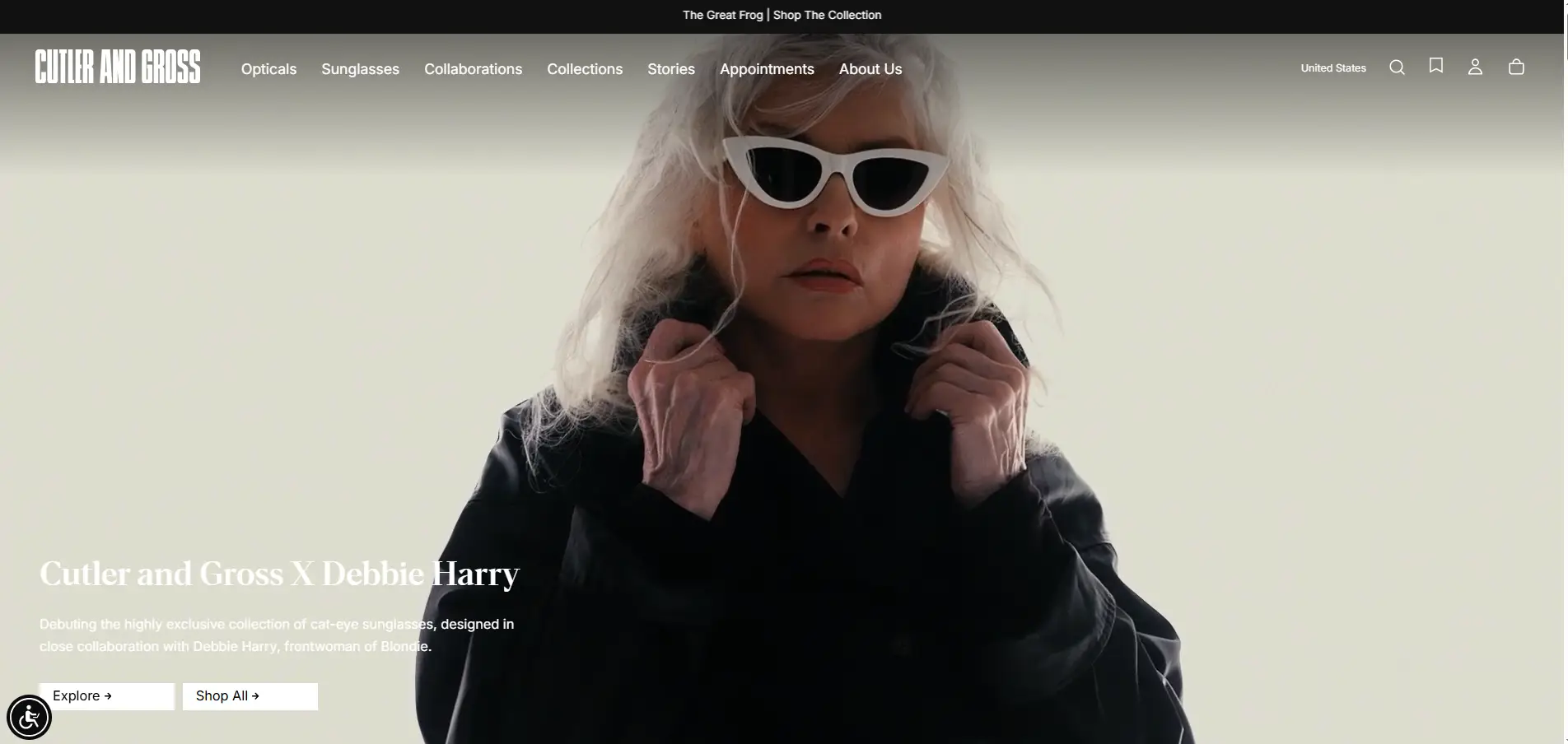
Cutler and Gross is a luxury British eyewear house founded in London in 1969, with frames handcrafted in its own factory in Italy. It migrated from Magento to Shopify Plus when it needed a more robust platform for its growing international business, running localised storefronts across the UK, North America, and beyond.
For a heritage brand, the move shows that Plus suits considered, premium catalogues just as well as it suits high-velocity drop brands, giving Cutler and Gross the polished, multi-market experience its customers expect.
18. Steve Madden
Steve Madden, the footwear and accessories brand founded in 1990, moved its ecommerce onto Shopify after previously running a custom-built platform on Oracle. Its ecommerce lead choose Shopify in large part for a stronger mobile experience than the brand could build itself.
In 2025, it re-architected its global setup across three brands and around 30 sites, reporting a 16% lift in conversion rate and far less reliance on developers for everyday content changes. With most of Steve Madden’s revenue still coming through wholesale, its Shopify store also works as a brand showcase that feeds discovery back into retail.
19. Mattel
Mattel, the toy giant behind Barbie and Hot Wheels, uses Shopify Plus to run its direct-to-consumer storefronts. For a franchise-driven business, Plus supports product launches, limited-edition collectable drops, and campaigns tied to films and franchises, letting Mattel sell directly to fans and collectors alongside its traditional retail distribution.
It’s a great example of a large, IP-rich company using Shopify as an agile DTC layer for fan commerce, keeping the focus on the brands and characters rather than on infrastructure.
20. Hasbro Pulse
Hasbro Pulse is the direct-to-fan store for Hasbro’s collectables and franchises, running on Shopify Plus. Its model centres on exclusive, limited-run collectables and pre-orders aimed at dedicated fan communities, exactly the kind of timed, high-demand release pattern Shopify Plus is built to handle.
Like Mattel, it shows how a major toy and entertainment company uses the platform to own the relationship with its most engaged collectors directly, without risking the site buckling when a sought-after item goes live.
21. Staples Canada
Staples Canada runs on Shopify Plus, bringing a large, complex office-supplies catalogue and a broad consumer customer base onto the platform. For a retailer of its size, the appeal is managing an extensive catalogue and fulfilment operation on managed infrastructure rather than a heavy custom build. It’s proof that Shopify Plus reaches well beyond founder-led DTC brands into traditional, high-SKU retail, modernising a big-box online operation at genuine scale.
22. Chamberlain Coffee
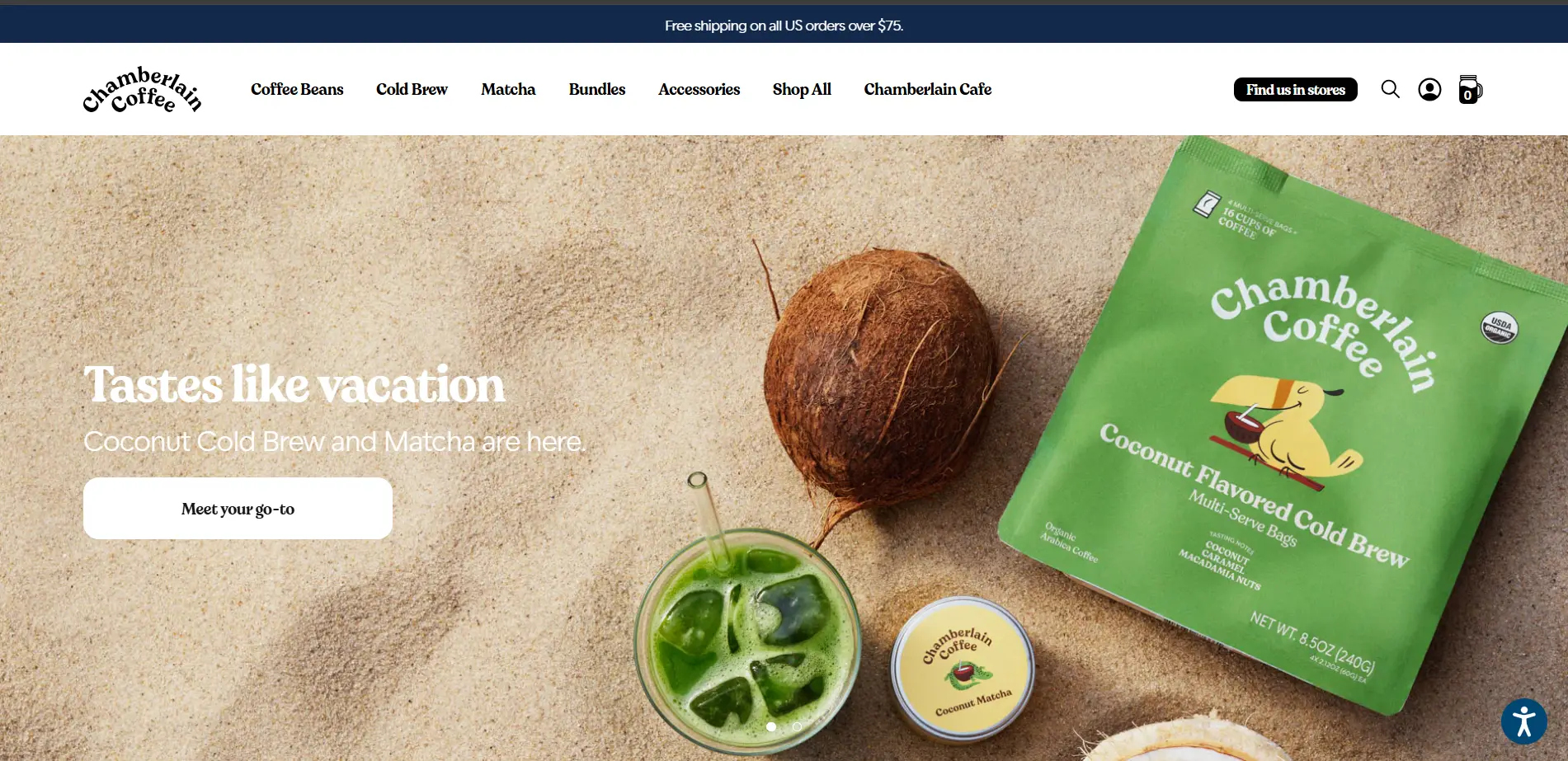
Chamberlain Coffee is the coffee brand founded by creator Emma Chamberlain, built on Shopify and aimed at a young, community-first audience. It pairs a strong content and influencer engine with subscription options for its blends and ready-to-drink products. The brand is a clean example of the creator-led DTC model: an audience built on social media, converted into a recurring-revenue business, with Shopify providing the storefront, subscriptions, and flexibility to match the brand’s playful identity.
23. Tesla Shop
Tesla runs its merchandise and lifestyle store apparel, vehicle accessories, wall connectors, and the kids’ Cyberquad on Shopify Plus, while keeping vehicle ordering on its own proprietary platform built for configuration, financing, and delivery logistics.
That split is the interesting part: Tesla reserves its in-house engineering for the mission-critical car-buying stack and hands the branded-merchandise store to Shopify, where new products can launch in hours, and drop-day traffic spikes are absorbed without internal resources. It’s a clean illustration of choosing custom only where the business truly needs it.
24. Huda Beauty
Huda Beauty, founded by Huda Kattan, grew from a beauty blog into a globally recognised cosmetics brand and runs its store on Shopify. The model is content-led: tutorials, heavy social and influencer integration, shoppable Instagram and TikTok feeds, and AR try-on all feed directly into the storefront.
Shopify handles the traffic that frequent collaborations and limited-edition launches generate, letting a content-first beauty business turn social attention into sales without standing up separate infrastructure for every single campaign.
25. ColourPop
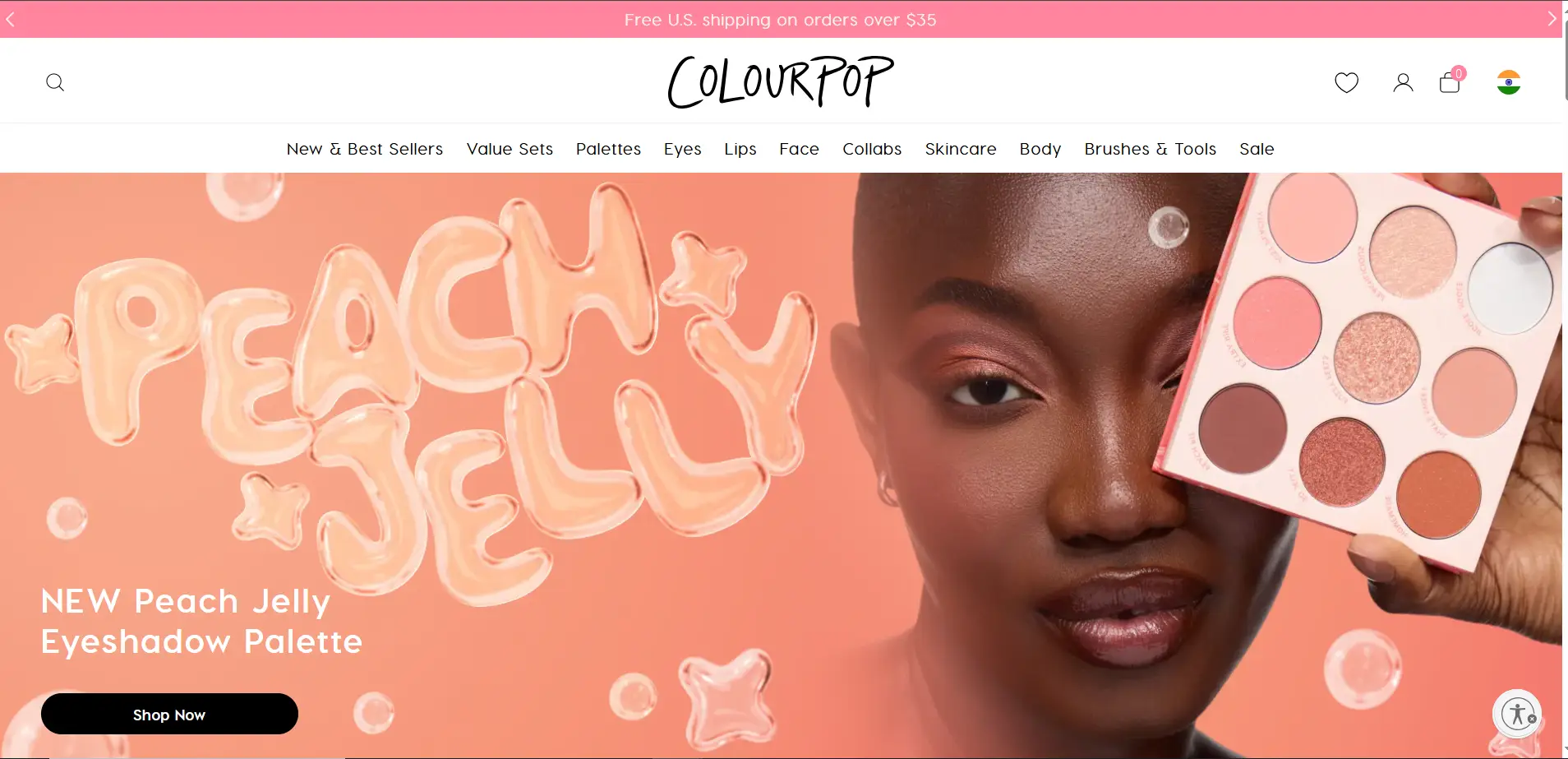
ColourPop is a fast-launch cosmetics brand known for affordable, frequently released collections, and it runs on Shopify. Its model depends on high product velocity, new shades and collaborations landing constantly, paired with heavy social selling across Instagram and TikTok.
Shopify supports that rapid merchandising and the traffic that follows a viral launch, letting the brand keep its catalogue moving quickly without the site becoming a bottleneck during its busiest release weeks.
26. Astrid & Miyu
Astrid & Miyu is a London contemporary jewellery brand known for ear-stacking, everyday stackable pieces, and in-store piercing studios. It runs on Shopify Plus with a setup that blends product video, a stack-planning tool, engraving and personalisation, a loyalty programme, and the ability to book in-store services like piercings, all tied together in one place.
For a brand whose experience spans online browsing and physical studio visits, Astrid & Miyu shows how Shopify Plus can unify content, commerce, customisation, and appointment-based retail seamlessly.
27. Oh, Polly
Oh Polly is a UK fast-fashion brand built on bold, occasion-led womenswear and a heavy social-media presence, running on Shopify Plus. Its model is drop-driven: frequent new releases promoted hard through influencers, generating sharp traffic spikes the platform has to absorb. Shopify Plus gives Oh Polly the reliability to run those high-velocity launches to a mobile-first, international audience, converting influencer-driven demand into sales at speed, without the checkout failing during its busiest moments.
28. Penguin Books
Penguin, one of the world’s best-known book publishers, runs a Shopify store for special editions, branded merchandise, and curated collections. For a heritage publisher, the store is a way to sell directly to readers and superfans limited editions, gifts, and author-led campaigns alongside traditional retail and wholesale.
It’s a lovely example of content-led commerce in publishing: building a direct relationship with readers around the books and brands people already love, without needing a bespoke ecommerce build.
29. Victoria Beckham
Victoria Beckham’s eponymous luxury fashion and beauty label runs on Shopify Plus. For a designer brand operating at the premium end, the platform provides the polished, brand-controlled storefront and the international, multi-currency selling that luxury customers expect, while keeping operational overhead low.
It’s an example of high-end fashion choosing Shopify Plus for a refined, global direct-to-consumer experience rather than a heavy custom build, the same logic that drew heritage names like Cutler and Gross to the platform.
30. Pangaia
Pangaia is a sustainability-focused fashion brand that uses innovative materials like recycled cotton, seaweed fibre, and bio-based dyes. Their commitment to eco-friendly technology, combined with a minimalist aesthetic, has made them a leading name in conscious luxury.
The Shopify Plus store mirrors that philosophy with clean design, calming colors, and detailed product transparency and the brand scaled to nine-figure revenue within about three years of launch, proving that ethical fashion and strong brand identity can absolutely scale online together.
31. OLIPOP
OLIPOP is a better-for-you soda brand that runs on Shopify Plus with a hybrid model: wholesale across retail partners plus a direct-to-consumer store with a subscription option that rewards customers for committing to recurring deliveries. It uses subscription tooling and even transactional SMS to help subscribers swap flavours and manage orders easily.
For a fast-growing consumables brand, OLIPOP shows how Shopify Plus supports both an omnichannel retail presence and a recurring-revenue DTC engine from a single platform.
32. Beardbrand
Beardbrand is a men’s grooming brand built on content and community as much as product, running on Shopify Plus. Its site leans on education and grooming quizzes, founder videos, and in-depth blog content to draw visitors in and convert them, treating the storefront as a destination rather than just a checkout.
Shopify Plus gives the brand a content-rich, easily managed store with the flexibility to evolve its range over time, turning a genuinely helpful resource into a loyal customer base.
33. Christian Dior

Christian Dior, the LVMH luxury house, uses Shopify for parts of its direct-to-consumer operation, a notable detail given how often luxury brands are assumed to need fully bespoke platforms. Reports place Dior among the luxury names on the platform, typically for specific product lines, regions, or campaign storefronts rather than its entire global flagship.
It’s proof that even the most brand-controlled, high-end players reach for Shopify, where a fast, polished, managed storefront serves the moment better than building one entirely from scratch.
34. Alessi
Alessi, the Italian design-led kitchenware and homeware house, migrated from Magento to Shopify Plus. For a heritage design brand, the move brought a storefront that matches the craft of its products while shedding the maintenance burden of a heavier platform.
It’s another example of the recurring Magento-to-Plus pattern, this time from premium homeware, proof that the migration trend isn’t confined to fashion and beauty but extends across any considered, design-driven category.
35. Deliveroo
Deliveroo uses Shopify Plus to run merchandise and rider-equipment stores the branded kit, packaging, and gear its riders and partners need. It’s a different use case from most of this list: an internal and B2B-leaning supply store rather than a consumer flagship. That’s exactly the point: Shopify Plus is flexible enough to power not just a company’s main direct-to-consumer channel but the operational and merchandising storefronts around it too.
36. Totême
Totême is a Swedish luxury fashion brand known for refined, minimalist ready-to-wear, and it moved to Shopify Plus from WooCommerce. The migration fits the broader pattern seen across this list: an outgrown platform replaced with one that handles international selling and a polished, brand-led experience at scale.
For a contemporary luxury label, Totême shows Plus supporting the elevated, restrained aesthetic that premium fashion depends on, while removing the operational drag of maintaining a self-hosted stack.
38. Herschel Supply Co.
Herschel Supply Co. is a Vancouver-based accessories brand, founded in 2009 and known for its retro-styled backpacks and bags sold worldwide. It migrated to Shopify Plus from Elastic Path as it went global, choosing Plus specifically for integrated POS, easier support for more payment methods, and the ability to spin up region-specific storefronts with local currencies. For a design-led brand expanding internationally with both online and retail presence, Herschel shows Plus handling the omnichannel and multi-market basics right out of the box.
39. Candy Kittens
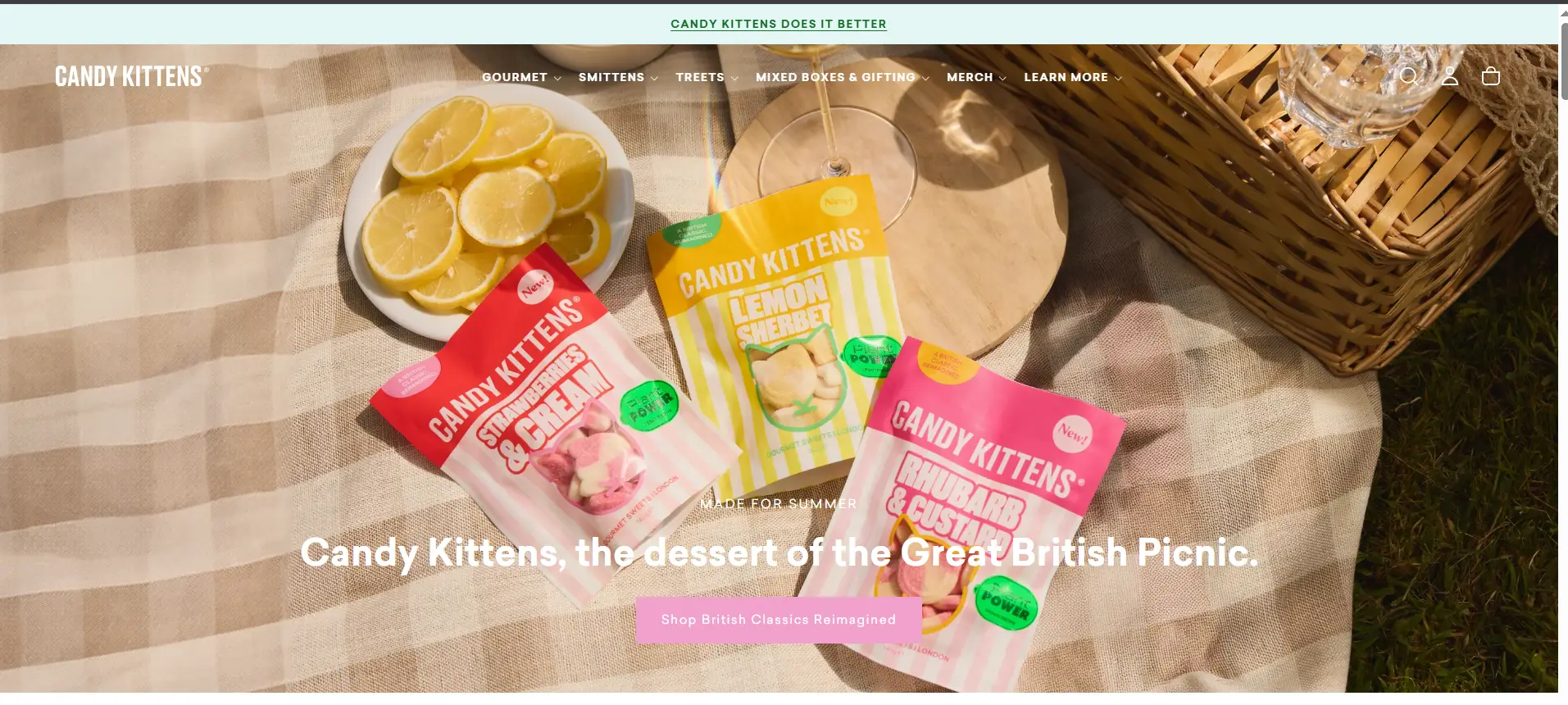
Candy Kittens is a premium vegan sweets brand founded by Jamie Laing and built on Shopify. It positions itself as a design-conscious, modern take on confectionery and uses the platform to run a polished storefront alongside seasonal campaigns, limited-edition festive ranges, and subscription-style repeat purchasing. Its setup leans into high-traffic retail moments like Black Friday and Christmas with bespoke landing pages, letting a smaller premium food brand punch well above its weight on design and campaign-led commerce.
40. Missoma
Missoma is a British demi-fine jewellery brand known for layered necklaces and everyday-luxury pieces, with around 97% of sales direct-to-consumer. It began on a custom-built platform, but when Black Friday traffic pushed that system to its limit, it replatformed to Shopify Plus, migrating in just eight days during the holiday season and cutting infrastructure-management costs by roughly 60%. Missoma is a textbook case of a brand outgrowing a custom stack, moving to Plus to survive peak traffic, and saving money while doing it.
41. Finisterre
Finisterre is a British sustainable surfwear and outdoor brand that migrated from Magento to Shopify Plus. Beyond its product range, it runs social-impact and environmental campaigns directly through its storefront, using the platform to tell its sustainability story alongside selling. It’s another Magento-to-Plus migration in the purpose-driven apparel space, showing how a values-led brand can keep its mission front-and-centre without the platform ever getting in the way.
42. Cambridge Satchel Company
The Cambridge Satchel Company is a British leather-goods brand best known for its colourful satchels, with strong international demand across markets like the US and Germany. It runs on Shopify, using the platform to manage a sizeable catalogue and sell across regions.
For a heritage-styled accessories brand with global reach, it’s a great example of using Shopify to handle multi-market selling and a broad product range without needing a heavy custom build behind the scenes.
43. Netflix Shop
Netflix runs its official merchandise store, Netflix.shop, on Shopify, selling apparel and collectibles tied to its shows and films. For a streaming giant, the store is a way to extend popular franchises into physical products and capture fan demand directly, spinning up merchandise around new releases quickly.
It’s a clear example of media and entertainment using Shopify as a fast, flexible merchandising layer rather than building a bespoke retail platform for what is, for them, a complementary channel.
44. Crocs
Crocs, the instantly recognisable clog and footwear brand, runs its online store on Shopify Plus. Its modern strategy leans heavily on hype: limited collaboration drops, often with musicians and other brands, that sell out fast and drive sharp traffic spikes. Plus gives Crocs the ability to scale through those flash-sale-style launches, expand internationally, and run a highly customised storefront, a strong example of a legacy footwear brand reinventing itself around drop culture without the site ever falling over.
45. Pixi
Pixi is a beauty brand whose cult Glow Tonic built a devoted following, and it moved to Shopify Plus from a dated Magento store after sales stagnated. The migration brought a faster, more social-friendly storefront, expandable Instagram grids, influencer collaborations, loyalty and rewards, and virtual beauty consultations that mimic the in-store experience.
Pixi is another Magento-to-Plus beauty migration, and a good example of how the platform’s social-commerce features suit a brand whose growth runs through Instagram and creator partnerships.
46. Absolute Collagen
Absolute Collagen is a UK supplement brand known for liquid collagen and a subscription-led model, running on Shopify Plus. It placed fourth on the 2022 Sunday Times Hundred list of Britain’s fastest-growing private companies, built on an enhanced subscription experience operating across the UK, Ireland, France, Germany, and the wider EU.
For a science-led, repeat-purchase brand, Absolute Collagen shows how Shopify Plus paired with a robust subscription stack can turn one-off buyers into recurring, multi-market revenue.
47. Represent
Represent is a British luxury streetwear brand born in Manchester that runs on Shopify Plus. Its model centres on premium positioning and limited drops product releases that concentrate demand into short windows the platform has to absorb. Plus supports its conversion-focused, brand-led storefront and the international selling a growing streetwear label needs, handling hype-led launches while keeping a polished, high-end presentation throughout.
48. Monica Vinader
Monica Vinader is a British demi-fine jewellery brand positioned in the gap between fine and fashion jewellery, known for recycled gold and silver pieces. It runs on Shopify, using the platform’s international capabilities to sell globally while offering personalisation, engraving and its ‘Build a Bracelet’ feature, plus in-store services like piercing and welding.
For a sustainability- and personalisation-led jewellery brand, Monica Vinader shows Shopify supporting a premium, customisable, multi-market experience without a heavy custom platform underneath.
48. Monica Vinader
Jigsaw is a premium British fashion brand that migrated to Shopify Plus from Aptos Retail after outgrowing it, taking on a full redesign in the process. The brand combined a custom-built app with Shopify Flow and bulk-management tools to automate operations and launch products faster, reportedly delivering a 10% lift in conversion and around £2 million in additional sales within five months. Jigsaw is a clear example of a heritage fashion retailer replatforming to Plus for both a refined storefront and real operational relief for its team.
50. Tropic Skincare
Tropic Skincare is a UK natural, vegan, and cruelty-free beauty brand founded by Susie Ma after an appearance on The Apprentice, running on Shopify Plus. Its store leans on ingredient transparency, product education, a personalised skincare consultation quiz, and a community section, all backed by a sustainability-first ethos. Tropic is a great example of a values-led beauty brand using Shopify Plus to combine education, personalisation, and community with a smooth buying experience.
51. Emma Bridgewater
Emma Bridgewater is a British homeware and pottery brand, instantly recognisable for its hand-decorated motifs like polka dots and roses, running on Shopify Plus. The brand upgraded from an older site and optimised the new one for mobile, using the platform to present a craft-led catalogue and handle seasonal gifting demand.
It’s an example of a heritage craft brand modernising its ecommerce on Shopify Plus while keeping the handmade character of its products front-and-centre.
52. Lazy Oaf
Lazy Oaf is a bold, playful London streetwear and graphics brand that runs on Shopify. Its store mirrors the brand’s quirky, design-forward identity while keeping the path to purchase simple for a loyal community of fans.
Lazy Oaf is a smaller, creative example of how Shopify lets a strongly art-directed independent brand express a distinctive aesthetic online without sacrificing usability. Proof that the platform’s flexibility suits niche, design-led labels as much as it does enterprise giants.
Conclusion
Popularity is an excellent measure of the success of a website, and all 52 of the Shopify stores mentioned here represent some of the biggest brands on the platform today. Whether you’re a startup or looking to join the ranks of top Shopify brands, Shopify offers the tools, reliability, and flexibility to design a well-functioning store that can grow with you — from your first sale to your busiest Black Friday yet.
Contact WebyKing to develop the right web solution for your company. Our experienced Shopify web developers can offer expert consultation throughout your Shopify project, whether you’re building from scratch or migrating from a platform that’s started holding you back.
Frequently Asked Questions
Why do big brands choose Shopify for their eCommerce platforms?
Big brands choose Shopify for its customization and scalability. Whether it’s absorbing 200,000 concurrent visitors during a product drop or launching a new direct-to-consumer store in under three weeks, Shopify supports high traffic and multiple payment options while ensuring a top-notch customer experience throughout.
What benefits do brands gain from using Shopify?
Brands gain faster site updates, lower maintenance overhead compared to legacy platforms like Magento, built-in subscription and loyalty tools, and the ability to scale internationally without managing their own servers. Several brands on this list, including Gymshark and Bombas, made the switch specifically after a major sales event exposed the limits of their previous platform.
Can small businesses also succeed on Shopify like big brands?
Yes. The same platform that powers a half-billion-dollar brand like Gymshark also powers small businesses just getting started. The principles that work at scale — a clear brand identity, a storefront built around the customer journey, and the right subscription or loyalty mechanics for your product — apply just as well at a smaller scale.
What's the difference between Shopify and Shopify Plus?
Standard Shopify suits most growing stores, while Shopify Plus adds infrastructure for high-volume traffic, custom checkout logic, automation tools, and multi-market international selling, which is why most large brands on this list use Plus rather than the standard plan.
When should a brand migrate from Magento to Shopify?
A brand should migrate from Magento to Shopify when maintenance costs, developer dependency, or repeated outages during high-traffic events start outweighing the platform’s benefits. Gymshark and Bombas both switched after Black Friday outages on Magento. The clearest signal is when your store can’t reliably handle traffic spikes or scale internationally without constant developer support.
What luxury brands use Shopify?
Luxury brands using Shopify include Victoria Beckham, Cutler and Gross, Alessi, Totême, and Christian Dior. Most run on Shopify Plus, which supports a polished, brand-controlled storefront and international selling without requiring a fully custom-built platform to maintain a premium shopping experience.
What is the biggest company that uses Shopify?
Gymshark and Fashion Nova are among the biggest companies on Shopify by revenue, each generating an estimated $500 million or more annually. By valuation, SKIMS is one of the largest, reaching roughly $5 billion in 2025.
Ravi Makhija, the visionary Founder and CEO of WebyKing, is a seasoned digital marketing strategist and web technology expert with over a decade of experience. Under his leadership, WebyKing has evolved into a premier full service web and marketing agency, delivering innovative solutions that drive online success. Ravi’s deep understanding of the digital landscape combined with his passion for cutting-edge technologies empowers him to consistently exceed client expectations and deliver results that matter.